The Second Convict Settlement on Norfolk Island: A Chapter in Australia's Penal History
26 January 2024
Introduction:
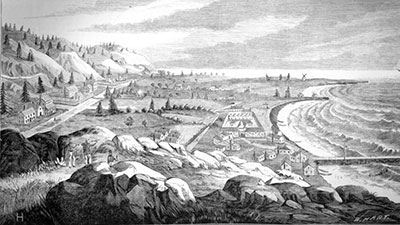
In the annals of Australia's convict history, Norfolk Island occupies a significant place, having served as a brutal penal colony during the 19th century. While the island's first convict settlement was established in 1788, it was the second convict settlement, beginning in 1825, that marked a crucial phase in the island's dark and complex history. This period witnessed the reestablishment of Norfolk Island as a place of punishment and exile, leaving an indelible mark on the landscape of Australia's penal past.
Background:
The British decision to reestablish a convict settlement on Norfolk Island in 1825 was driven by several factors. One primary motivation was the overcrowding of the penal colonies on the Australian mainland, particularly in New South Wales and Van Diemen's Land (present-day Tasmania). Norfolk Island, with its isolated location in the South Pacific, was deemed an ideal place to alleviate the strain on the mainland penal institutions.
The Convict Experience:
Life for convicts on Norfolk Island during the second settlement was harsh and unforgiving. The rugged terrain, combined with the strict penal regime, made escape nearly impossible. The island became synonymous with harsh punishment, and many convicts faced brutal discipline, forced labor, and isolation in the oppressive surroundings of the island.
The notorious penal settlement on Norfolk Island was characterized by a system of hard labor and strict discipline. Convicts were engaged in constructing infrastructure, such as roads and buildings, under the watchful eyes of overseers. The conditions were so severe that the island earned a reputation as a place where the most hardened and recalcitrant prisoners were sent, effectively making it a secondary punishment for those who had already endured the hardships of the mainland penal colonies.
Structures and Legacy:
The remnants of the second convict settlement on Norfolk Island are still visible today, serving as tangible reminders of a bygone era. Notable structures include the restored Commissariat Store, the formidable penal barracks, and the imposing prison buildings. These historical sites bear witness to the harsh realities faced by convicts during their time on the island.
Notable Figures:
The second convict settlement on Norfolk Island saw the arrival of some infamous characters, both as prisoners and administrators. One notable figure was Alexander Maconochie, who served as the island's commandant from 1840 to 1844. Maconochie introduced innovative penal reform ideas, emphasizing the rehabilitation of prisoners through a system of marks and credits. Despite his efforts, the harsh conditions prevailing on the island persisted.
End of the Convict Era:
The second convict settlement on Norfolk Island came to an end in 1855, as transportation of convicts to eastern Australia gradually ceased. The island's penal era concluded, but its impact on the lives of those who endured the brutality of the system lingered on.
Conclusion:
The second convict settlement on Norfolk Island stands as a stark chapter in Australia's history of penal colonization. The isolation, harsh conditions, and strict discipline imposed on the convicts marked Norfolk Island as a place of punishment and exile. Today, the preserved remnants of this era serve as both a historical testament and a solemn reminder of the human cost and enduring legacy of Australia's convict past.